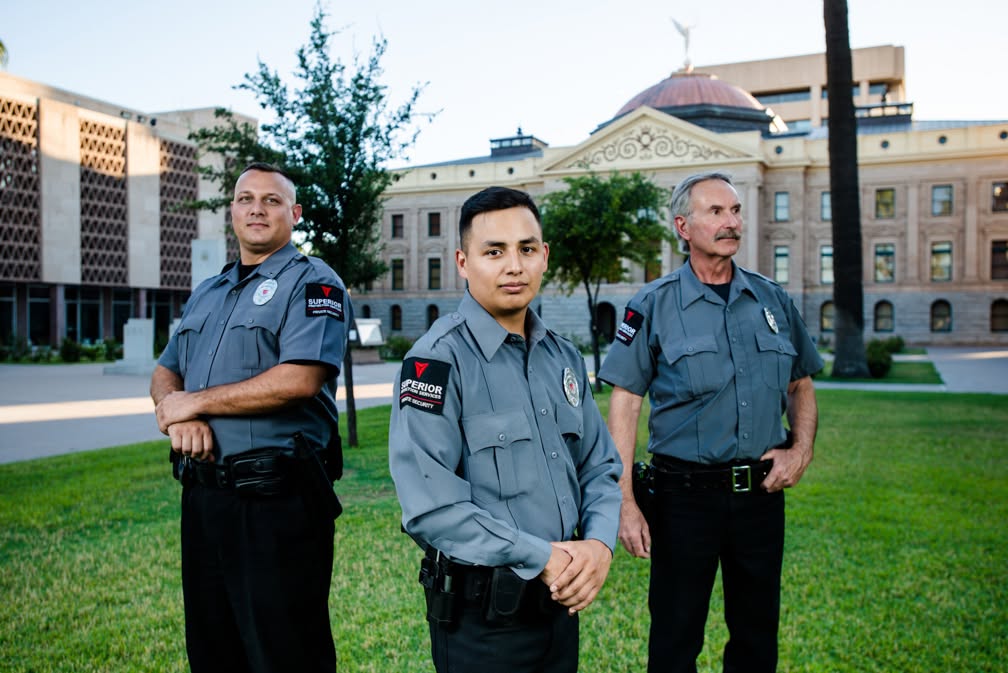
Not all security guards have the same responsibilities, training, or level of authority.
A security officer working at the entrance of an office building may have very different responsibilities from an armed security officer protecting valuable assets. A security supervisor may oversee an entire team, while a specialized security officer may focus on events, construction sites, residential communities, or executive protection.
There is also no single nationwide ranking system for security guards in the United States. Job titles, licensing requirements, training, and responsibilities can vary by state and security company.
However, most security positions can be understood by looking at four broad categories:
- Entry-level and unarmed security
- Armed security
- Supervisory and management positions
- Specialized security positions
Understanding these differences can help businesses choose the right type of security service and help people considering a security career understand their options.
1. Unarmed Security Guards

Unarmed security officers are one of the most common types of security professionals.
They do not carry firearms as part of their security duties. Instead, their job focuses on preventing problems, monitoring property, controlling access, and responding to incidents according to company procedures and applicable laws.
Typical responsibilities include:
- Monitoring entrances and exits
- Checking visitors and credentials
- Patrolling buildings and property
- Monitoring security cameras
- Reporting suspicious activity
- Writing incident reports
- Responding to alarms
- Enforcing property rules
- Assisting employees, residents, and visitors
- Contacting emergency services when necessary
Unarmed security can be appropriate for many different environments.
Common assignments include:
The exact training required depends on the state where the officer works. Some states require specific training and licensing before an individual can work as a security officer.
Watchman or Security Guard
Some companies use titles such as watchman, security guard, or security officer for entry-level positions.
A watchman may have a narrower role, such as observing a property and reporting suspicious activity. A security guard may have additional responsibilities, including access control, patrols, visitor management, and incident response.
These titles are not standardized across the country, so the job description is often more important than the title.
2. Armed Security Officers
Armed security officers receive additional training and authorization to carry a firearm while performing security duties.
Their responsibilities can include many of the same tasks performed by unarmed officers, including patrols, access control, and incident response. However, armed officers may be assigned to properties where there is a higher level of security risk or where valuable assets require additional protection.
Armed security may be used for:
- Financial institutions
- High-value facilities
- Certain government contracts
- Cash-handling locations
- High-risk commercial properties
- Other locations with specific security concerns
Being armed does not mean an officer has the same authority as a police officer.
Security officers generally work under different laws, policies, and responsibilities than law enforcement. Their authority and firearm requirements vary by state and jurisdiction.
For that reason, businesses should always work with a properly licensed security company and verify that officers meet the applicable state requirements.
3. Security Supervisors and Managers
As security operations become larger, businesses may need supervisors and managers to oversee security officers.
These positions are generally responsible for managing people and security operations rather than simply protecting one location.
A security supervisor may:
- Assign officers to posts
- Monitor guard performance
- Conduct site inspections
- Review incident reports
- Train or coach officers
- Communicate with clients
- Handle scheduling issues
- Respond to serious incidents
- Make sure security procedures are followed
Larger security operations may have several levels of management.
Titles can include:
- Security supervisor
- Sergeant
- Lieutenant
- Captain
- Security manager
- Director of security
- Security operations manager
However, these titles are not universal. One company may use “sergeant” for a field supervisor, while another may use “security supervisor” for essentially the same position.
The level of responsibility usually increases as an officer moves from protecting one location to managing people, multiple sites, or an entire security operation.
4. Specialized Security Officers
Security professionals can also specialize in specific industries or types of protection.
Construction security officers help protect equipment, materials, tools, vehicles, and workers.
Their duties may include access control, vehicle checks, perimeter patrols, and after-hours security.
Retail security officers help prevent theft, monitor customer areas, protect employees, and respond to incidents.
Residential security officers protect apartment communities, condominiums, gated communities, and other residential properties.
They may patrol the property, monitor entrances, check visitors, and respond to disturbances.
Event security officers help manage crowds, control access, protect restricted areas, and respond to security concerns during concerts, sporting events, conferences, and private events.
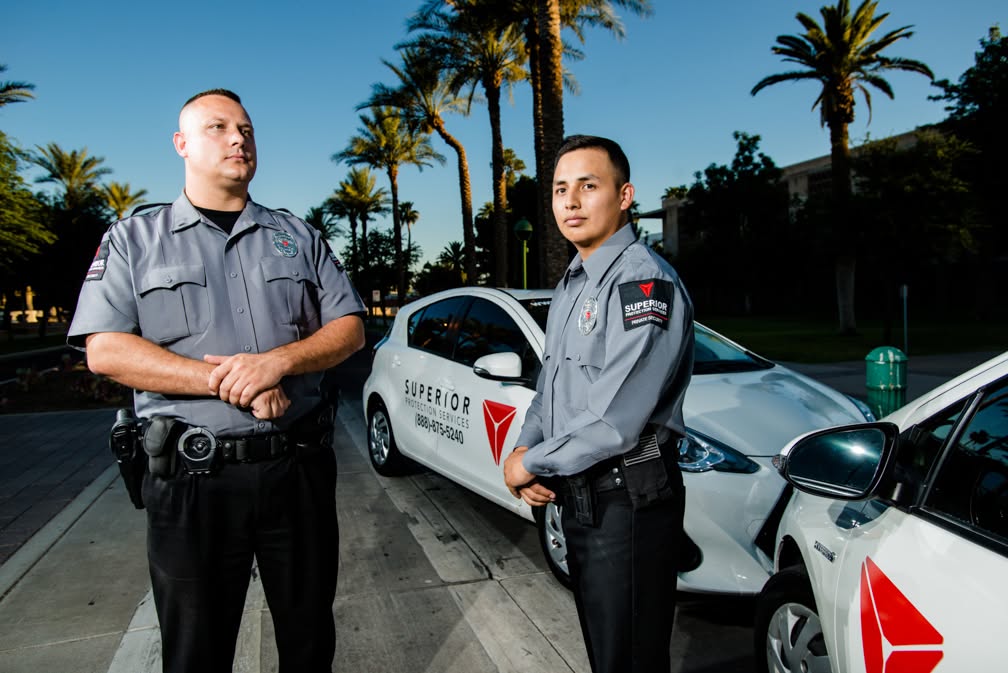
Mobile officers travel between locations to perform scheduled or randomized patrols.
They may check doors, gates, fences, parking lots, buildings, and other vulnerable areas.
Executive Protection
Executive protection officers provide personal security for individuals who may face specific security risks.
Their work can include advance planning, transportation security, threat assessment, and protective services.
These specialized positions often require additional training and experience depending on the assignment.
What Determines a Security Guard’s Level?
A security officer’s responsibilities are usually determined by several factors.
Training
The required training depends on the position and the state where the officer works. Armed positions generally require additional firearms-related training and authorization.
Experience
An experienced officer may take on more responsibility, train other officers, or move into a supervisory position.
Assignment
The security requirements of a construction site are different from those of a hospital, retail store, or corporate office.
Licensing
Security licensing requirements vary throughout the United States. Some states have detailed licensing and training requirements, while others have different regulations.
Employer Requirements
Security companies may also establish their own training standards, job titles, and promotion structure.
How Do Security Guard Ranks Work?
There is no single ranking system used by every security company in the United States.
A typical security organization might look something like this:
Security Guard → Senior Security Officer → Security Supervisor → Security Manager → Director of Security
Another company might use:
Security Officer → Sergeant → Lieutenant → Captain
Neither structure is automatically the national standard.
The important question is what the person is responsible for, what training they have received, and what licensing requirements apply to their position.
Which Type of Security Guard Does Your Business Need?
The right security officer depends on your property’s risks.
An office building may only need an unarmed security officer for access control and visitor management.
A construction site may need mobile patrols and overnight security.
A high-value facility may require armed security.
A large event may need multiple officers, supervisors, and specialized crowd-management personnel.
A residential community may benefit from a combination of patrols, access control, and visible security officers.
The goal isn’t to choose the highest level of security. It is to choose the right level of protection for the actual risk.
Need the Right Security Team for Your Property?
Choosing the right security service starts with understanding your property’s specific risks. Whether you need unarmed security for an office, armed protection for a higher-risk location, mobile patrols for a large property, or specialized security for a construction site or event, the right team can make a difference.
Superior Protection Services provides professional security solutions tailored to the needs of businesses, properties, and organizations. Our team can help you evaluate your security needs and determine the right level of protection for your location.
Contact Superior Protection Services today to discuss your security needs and find the right security solution for your property.
Final Thoughts
Security guard positions come in many forms, and the titles used by one company may be different from another.
The easiest way to understand the industry is to look at the officer’s training, responsibilities, licensing, experience, and assignment.
Unarmed officers provide everyday protection for many types of properties. Armed officers provide an additional level of protection where appropriate. Supervisors and managers oversee security teams, while specialized officers focus on industries and situations that require additional expertise.
If you’re hiring security services, don’t choose based on a job title alone. Ask the security company what training its officers receive, what experience they have with your type of property, and what responsibilities they will have while on site.
The right security professional is the one whose training and experience match your property’s specific needs.
Frequently Asked Questions
What are the different levels of security guards?
There is no single four-level system used across the United States. Security positions generally range from entry-level unarmed officers to armed officers, senior officers, supervisors, managers, and specialized security professionals.
What is the difference between an unarmed and armed security guard?
An unarmed security guard does not carry a firearm as part of their security duties. An armed security officer has additional training and authorization to carry a firearm while working, subject to state and local requirements.
Is a security supervisor higher than a security guard?
Generally, yes. A security supervisor typically oversees other officers, conducts inspections, reviews reports, manages assignments, and helps ensure security procedures are followed.
Do security guards have the same authority as police officers?
No. Security guards and police officers have different roles and legal authority. A security officer’s responsibilities and authority depend on applicable laws, licensing requirements, company policies, and the specific assignment.
Are security guard titles the same in every state?
No. Titles, licensing requirements, training standards, and job responsibilities can vary by state and employer.
What type of security guard does a business need?
It depends on the property’s size, location, operating hours, security risks, and what needs to be protected. An experienced security company can assess the property and recommend an appropriate combination of unarmed guards, armed officers, mobile patrols, supervisors, or specialized security services.