
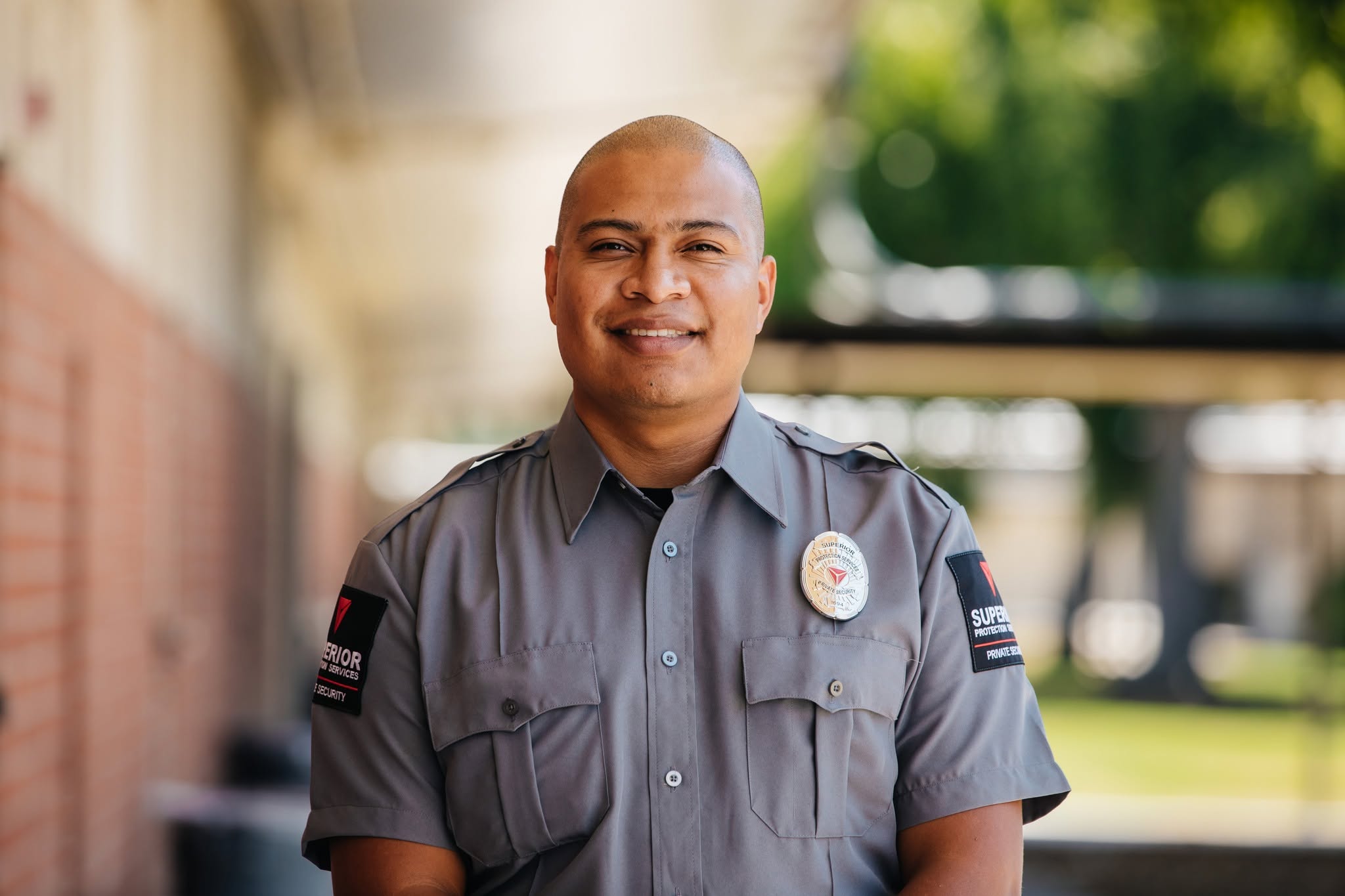
In Los Angeles, hiring a professional security guard generally costs between $25 and $65 per hour in 2026. Your exact cost depends on whether the guard is armed, the type of service required, and whether you’re contracting for long-term or temporary coverage. Retail, events, and construction sites each carry different rate structures based on risk and staffing needs.
Property managers, retail owners, and event planners across Los Angeles ask the same question every time they budget for coverage: what does a guard actually cost per shift, per month, per event? The answer isn’t a single number. It’s a range shaped by licensing requirements, insurance costs, staffing type, and how long the contract runs. Understanding the variables ahead of time helps you avoid surprises when a proposal lands on your desk.
California’s Bureau of Security and Investigative Services (BSIS) regulates guard licensing statewide, and that regulatory framework directly affects pricing. Guards must complete state-mandated training hours, background checks, and — for armed positions — a separate firearms permit process. Each of these requirements adds cost to the provider, which shows up in the hourly rate you’re quoted.
Unarmed guard services in Los Angeles generally run $25 to $40 per hour for standard commercial or residential posts. Armed guards, who require additional BSIS-issued permits and more extensive firearms training, typically fall between $35 and $65 per hour. Specialized assignments — executive protection, high-risk retail locations, or large-scale event security — push toward the higher end of that range or beyond it, depending on staffing ratios and liability exposure.
These figures reflect what most Los Angeles County businesses see when requesting quotes in 2026. A single-day event booking will almost always cost more per hour than a twelve-month contract, because the provider absorbs higher scheduling and staffing overhead on short-term work.
The gap between armed and unarmed pricing isn’t arbitrary. Armed guards in California must hold a separate BSIS Firearms Qualification Card, renewed annually, in addition to the standard guard card. Providers also carry higher liability insurance premiums for armed personnel, since the risk profile of an armed post is fundamentally different from a lobby or parking lot patrol. That insurance cost gets built into the hourly rate.
In our experience, clients often assume armed coverage is the safer default choice for any property. That’s not always true. A retail pharmacy dealing with repeat theft may genuinely need an armed presence. A general office building during business hours usually doesn’t — and paying armed rates for a post that doesn’t carry that risk level is money spent without a matching security benefit. We typically recommend a site risk assessment before defaulting to armed staffing, because the right call depends on incident history, location, and hours of operation, not just perceived risk.
Temporary or one-off coverage — a weekend event, a short construction phase, a single retail launch — is priced at a premium because there’s no scheduling efficiency for the provider. Long-term contracts, by contrast, let a provider build consistent shift rotations, which reduces overtime costs and lowers the effective rate passed to the client.
A property management company covering a mid-size commercial building around the clock will typically negotiate a lower per-hour rate than a retailer booking a single Saturday of holiday-season coverage. If you know you’ll need ongoing coverage, it almost always makes financial sense to sign a longer agreement rather than renew short-term bookings repeatedly. Providers pass on real savings when they can plan staffing months in advance instead of scrambling to fill single shifts.
Several factors shift a quote up or down beyond the armed/unarmed distinction:
What we’ve found working with commercial property clients is that the biggest cost driver isn’t the guard rate itself — it’s whether the coverage plan matches the actual risk pattern of the property. A warehouse with overnight break-in attempts needs different coverage than a daytime retail storefront, and pricing should reflect that difference rather than a flat, one-size-fits-all quote.
One decision that affects total security spend more than people expect is whether to rely solely on security guard services or combine on-site staff with monitoring technology. A single guard covering a large parking structure overnight can only be in one place at a time. Adding mobile surveillance units or a mobile patrol rotation extends coverage across a larger footprint without paying for a second full-time guard.
Many Los Angeles businesses now weigh guard-only staffing against a hybrid model that blends fewer on-site hours with CCTV coverage and remote monitoring. According to guidance from the Cybersecurity and Infrastructure Security Agency on layered physical security, combining human presence with technology generally produces better deterrence outcomes than either approach alone. This is worth factoring into your budget conversation, not just your hourly rate comparison.
Before signing with any provider, ask these questions:
Getting clear answers to these five questions before signing prevents the most common billing disputes — unexpected overnight surcharges and confusion over whether a quote was per guard or per post.
Security guard pricing in Los Angeles tends to run slightly higher than in smaller California metro areas, largely due to higher wage floors and the state’s minimum wage requirements as tracked by the California Department of Industrial Relations. Providers operating in Los Angeles County also factor in higher workers’ compensation insurance costs compared to less densely populated regions. This is one reason a quote from a provider based outside the county may look cheaper on paper but doesn’t always reflect true local operating costs or response times.
For businesses comparing multiple proposals, it helps to review the different types of security guard services available, since a lobby ambassador post, a patrol post, and an armed response post are priced differently even within the same building.
Unarmed guards typically cost $25 to $40 per hour, while armed guards range from $35 to $65 per hour. The exact rate depends on the property type, shift timing, and whether it’s a short-term or long-term contract.
Overnight and weekend posts usually carry a $2 to $5 hourly premium because staffing those hours costs providers more in scheduling and wage differentials. This is standard across most Los Angeles providers, not a markup specific to one company.
Most commercial properties — office buildings, retail during regular hours, residential complexes — are adequately served by unarmed guards. Armed coverage is typically reserved for high-risk locations like pharmacies, cash-handling businesses, or sites with a documented history of violent incidents.
Yes, in many cases. Pairing fewer on-site guard hours with CCTV surveillance or live video monitoring can reduce the total guard hours needed while maintaining coverage across a larger area, which often lowers overall spend compared to guard-only staffing.
Providers can plan staff schedules months in advance for long-term contracts, reducing overtime and last-minute staffing costs. Single-day or short-term bookings don’t offer that scheduling efficiency, so providers price them higher to cover the added logistical burden.
A complete quote should specify whether the guard is armed or unarmed, confirm current BSIS licensing, state whether supervisor check-ins are included, and break out any overnight or weekend premiums separately. Ask for this in writing before signing.
If you’re comparing security options for a Los Angeles property, request a site assessment to get a quote based on your actual risk profile and coverage needs, not a generic rate. Reach out to discuss whether guard staffing, mobile patrol, or a combined technology approach fits your budget best.