
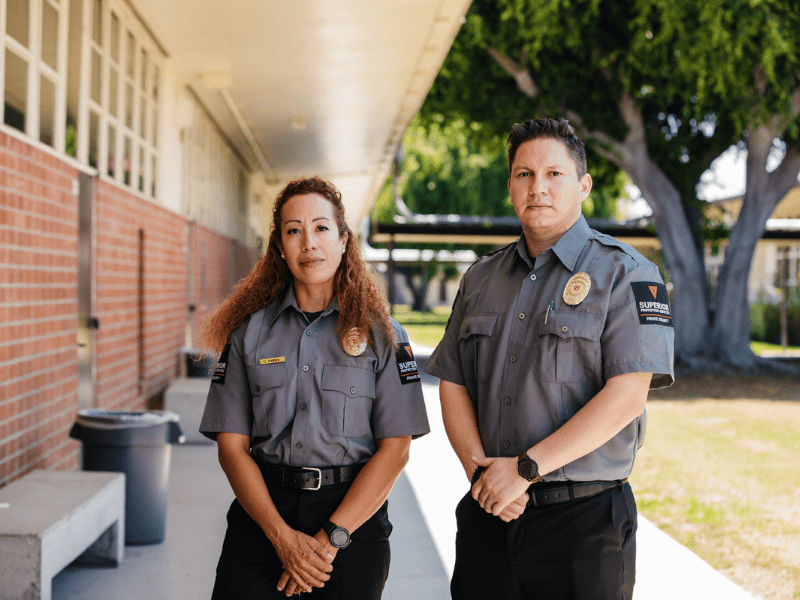
When it comes to protecting people, property, or events, not all security roles are the same. While “security guard” and “security agent” are often used interchangeably, they describe two very different roles—each with its own purpose, training, and level of responsibility.
So, which one do you actually need? Here’s a clear breakdown to help you make the right decision for your business, property, or event.
Security guards protect property, enforce rules, and report suspicious activity.
They’re often stationed at entrances, retail stores, apartment complexes, or public events. Common tasks include:
Guards are the first line of defense. They help deter crime and keep things running smoothly. Most have a state license and basic training, but their role is generally to observe, report, and maintain order—not engage threats directly.
A security agent provides more advanced and targeted protection services. They often operate in high-risk or high-profile situations—where the stakes are higher and more discretion or authority is needed.
Duties may include:
Security agents usually have advanced training in areas like tactical defense, conflict resolution, and emergency response. Many have backgrounds in military, law enforcement, or federal security work.
If you’re looking for someone to protect a CEO, secure sensitive locations, or manage large-scale events, a security agent is the right call.
The main differences are in training, job duties, and the environments they work in.
Category | Security Guard | Security Agent |
Duties | Patrols, observes, reports | Executive protection, surveillance, risk assessment |
Training | Basic security and licensing | Advanced defensive, investigative, and tactical training |
Work Settings | Stores, residential areas, events | Corporate offices, private clients, high-risk zones |
Authority | Limited (observe/report) | May intervene or coordinate with law enforcement |
Uniform | Standard uniform and visible presence | Plainclothes or business attire, discreet presence |
Salary Range | Lower to mid-level depending on setting | Higher due to specialization and risk |
Security guards generally have limited authority, while agents may operate with broader responsibilities depending on their licensing.
In most cases:
Security guards work in public-facing locations like:
Security agents are found in more specialized or discreet roles, such as:
Both roles must meet licensing requirements, which vary by state. However, agents often go beyond the minimum, completing specialized courses in:
Security guards, in contrast, complete state-mandated training covering:
Security guards should be alert, detail-oriented, and calm under pressure. They need to:
Security agents need those same skills—plus:
Security agents usually earn more due to the higher risk and specialized nature of their work.
Security guards deal with:
Security agents face:
Both roles are essential—but they serve different purposes.
Need protection you can count on? Contact us or get a quote today. Whether you need a licensed security guard or a professional security agent, Superior Protection Services will help you find the right fit.