
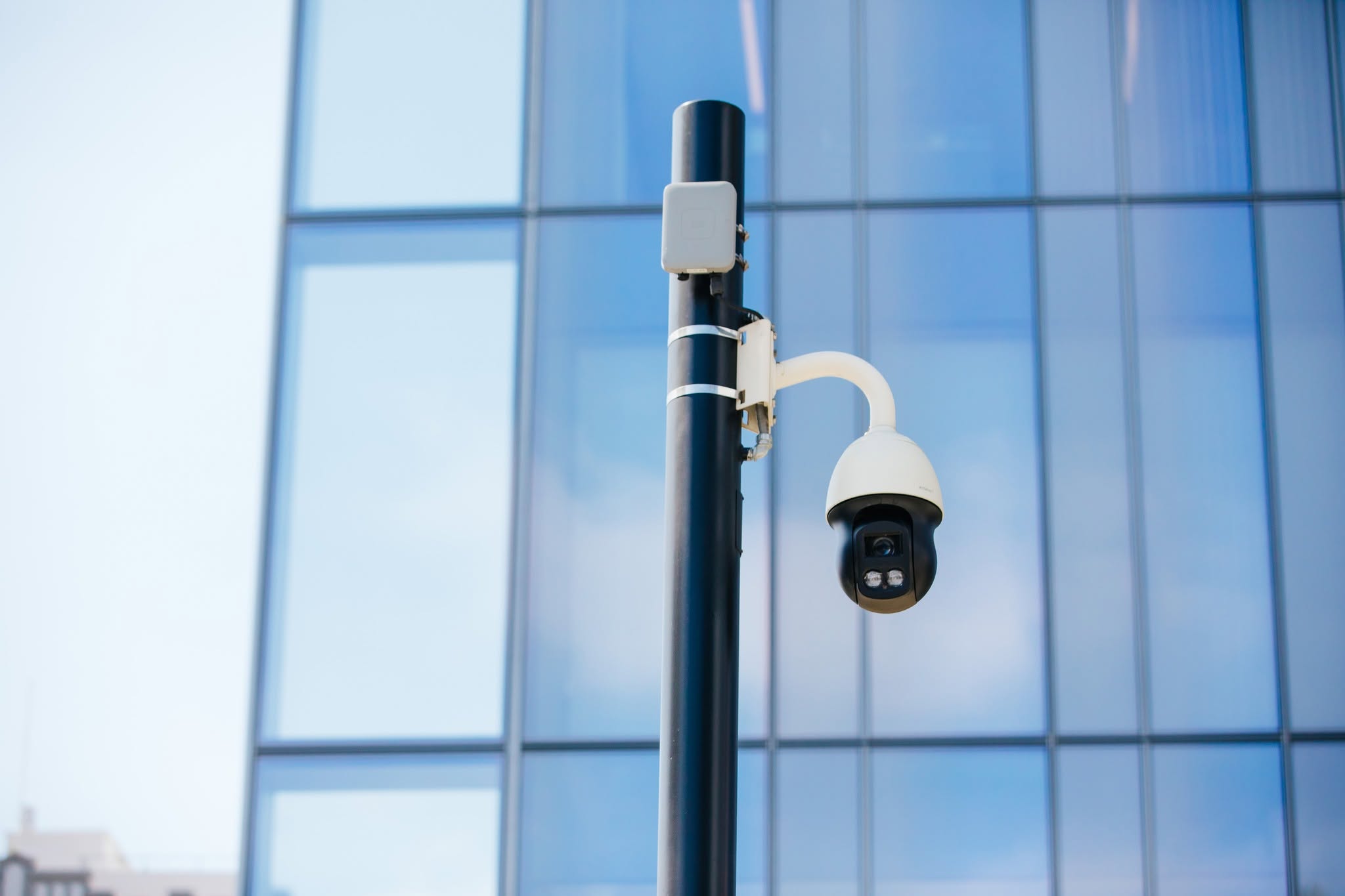
Effective mobile surveillance begins with strategic planning. Before deploying units, security teams should evaluate the site to identify high-risk areas that require monitoring. Key locations typically include entrances, storage yards, parking areas, equipment staging zones, and blind spots created by large machinery or temporary structures.
Correct placement ensures that mobile units complement existing security measures while providing coverage where fixed cameras may be limited. For example, positioning units near gates or loading docks deters unauthorized entry, while placing them around storage areas protects expensive equipment and materials.
Planning should also account for site layout changes. Construction sites evolve daily, and areas that are low-risk one week may become high-traffic or vulnerable the next. A thoughtful placement plan allows mobile units to maximize visibility and act as both a deterrent and a monitoring tool.
Mobile surveillance units work best when integrated with fixed cameras, alarms, and access control systems. Linking units to a central monitoring platform enables security teams to view live feeds, receive instant alerts, and coordinate responses efficiently.
Integration allows mobile units to fill blind spots left by stationary systems, creating a seamless security network. For example, a mobile unit can cover a temporary storage area while still feeding video to the same control room that monitors fixed cameras, ensuring no area is left unmonitored.
A combined system also enables faster decision-making. Security personnel can track suspicious activity, communicate with mobile patrol officers, and take immediate action if needed. Integration strengthens overall situational awareness, improving both proactive and reactive security measures.
Construction sites are dynamic, and mobile surveillance units must be adaptable. Units should be easy to relocate to follow new building zones, temporary storage areas, high-traffic pathways, or equipment staging zones.
Flexibility allows security teams to respond to site changes without compromising coverage. Mobile units can be repositioned as new risks emerge, ensuring continuous protection even during construction activity. By moving units strategically, sites can maintain full monitoring coverage while minimizing vulnerabilities.
Construction theft and vandalism often occur during low-light or off-hours when fewer personnel are present. Deploying mobile units equipped with infrared or low-light cameras ensures that all critical areas remain monitored, even at night.
Nighttime coverage is especially important for sites with expensive equipment, temporary structures, or isolated storage areas. Mobile surveillance units provide a visible presence that deters criminal activity while capturing clear footage for investigations if incidents occur.
Maintaining mobile surveillance units is essential for reliable operation. Regular checks should include camera clarity, power supply, connectivity, and functionality of sensors or alarms.
Functional equipment reduces security gaps and ensures that footage captured is usable for real-time monitoring, incident review, or insurance purposes. Maintenance schedules should be strictly followed, with any issues addressed promptly to prevent downtime.
Surveillance feeds should be continuously monitored and logged. Integrating mobile units with patrol teams allows security personnel to act immediately on alerts.
Detailed reporting improves situational awareness and provides evidence if incidents occur. Logs and video footage can support investigations, insurance claims, and internal site management decisions. Clear reporting ensures that both personnel and management have access to accurate, timely information about site security.
Superior Protection Services provides professional mobile surveillance installation for Los Angeles construction sites. Their team ensures optimal placement, full coverage, and seamless integration with existing security measures.
By combining planning, technology, flexible deployment, nighttime coverage, maintenance, and clear reporting, mobile surveillance units provide a robust, adaptable security solution. With expert implementation, construction sites can reduce theft, prevent vandalism, and maintain a safe, secure environment for equipment, materials, and personnel.