
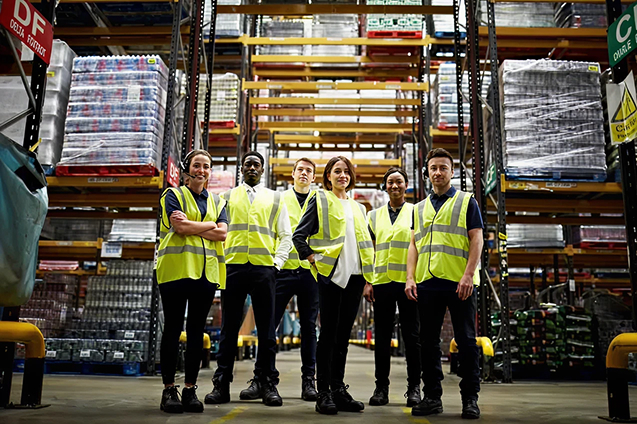
Warehouses are crucial hubs in the supply chain, storing valuable goods before they are distributed to retailers or customers. With inventory worth thousands—or even millions—of dollars, warehouses are prime targets for theft, vandalism, and other security threats. Warehouse security guards play a critical role in protecting these facilities, assets, and personnel. They serve as the first line of defense against potential risks, ensuring smooth operations and minimizing disruptions to business continuity.
Warehouse security is essential for protecting inventory, employees, and operational integrity. Effective security measures help prevent theft, unauthorized access, vandalism, and property damage. Beyond protecting tangible assets, security guards also safeguard sensitive data, including shipment records, supplier information, and proprietary inventory systems.
A secure warehouse creates a safe work environment for employees, improving morale, efficiency, and productivity. It also upholds client trust and strengthens the overall reputation of the business. In today’s interconnected supply chains, where disruptions can cause costly delays, having trained warehouse guards is a strategic investment.
Warehouse security guards enforce safety and security protocols, protect assets, and ensure that employees and visitors operate in a safe environment. Their responsibilities go far beyond simply standing at entrances—they actively monitor, patrol, and respond to potential risks. By combining vigilance with professional training, warehouse guards help prevent incidents before they escalate.
Warehouse guards perform a wide range of duties to maintain security. Each responsibility contributes to a safe and secure warehouse environment.
Warehouse security guards manage access points, ensuring only authorized personnel enter the facility. They check identification badges, verify credentials, and log visitor information. Proper access control prevents unauthorized entry, protecting both personnel and inventory.
Regular patrols are essential for spotting suspicious activity or security breaches. Guards monitor the premises both physically and through surveillance systems such as CCTV cameras. They check high-risk areas, loading docks, and storage zones, ensuring no gaps in security coverage.
Security systems may trigger alarms due to unauthorized entry, equipment malfunction, or environmental hazards. Warehouse guards respond immediately, investigate the cause, and take appropriate action, which may include contacting law enforcement or alerting internal teams.
Warehouse guards are trained to handle various emergencies, including fire outbreaks, medical incidents, and natural disasters. They assist in evacuations, coordinate with emergency services, and implement response protocols to keep employees safe.
Guards monitor the movement of inventory and prevent theft, loss, or damage. They oversee shipping and receiving areas, inspect outgoing shipments, and ensure all handling procedures follow security policies. Protecting high-value items like electronics, pharmaceuticals, or luxury goods is often a top priority.
During peak hours or special events, such as bulk shipments or vendor visits, guards manage traffic within the warehouse. They prevent congestion, maintain order, and enforce safety protocols to reduce the risk of accidents.
Documentation is a critical part of a warehouse guard’s duties. They maintain detailed logs of patrols, incidents, alarms, and security breaches. These reports are used for audits, insurance purposes, and improving security procedures.
Warehouse guards act as a bridge between management and external agencies, including police, fire departments, or emergency medical responders. Their timely communication ensures efficient handling of any incidents and minimizes operational disruption.
In modern warehouses, security guards often integrate technology with traditional security practices:
By proactively identifying risks and suggesting preventive measures, warehouse guards help reduce incidents and enhance overall safety.
Warehouse security guards receive specialized training to handle the demands of warehouse operations. Key training areas include:
Essential qualities of effective warehouse guards include attention to detail, physical fitness, integrity, alertness, and the ability to remain calm under pressure.
Investing in trained warehouse security guards helps businesses minimize risks, reduce losses, and maintain operational continuity. Guards protect high-value assets, monitor facility activities, respond to emergencies, and provide peace of mind for employees and management. Partnering with a professional security company ensures that guards are well-trained, reliable, and adaptable to the specific needs of each warehouse facility.
In Los Angeles, California, Superior Protection Services provides comprehensive warehouse security solutions tailored to your facility. Our guards are trained to handle a wide range of security challenges, ensuring your warehouse operations remain safe, efficient, and compliant with all regulations.
Don’t leave your warehouse vulnerable. Contact Superior Protection Services today to hire professional warehouse security guards who can protect your assets, personnel, and property around the clock.
Serving: Riverside County, Los Angeles County, Phoenix, San Bernardino County, Orange County, Tucson and surrounding areas.
How do warehouse guards manage deliveries during off-hours?
They verify delivery credentials, inspect incoming shipments, and ensure secure handoffs according to site protocols.
How often do warehouse guards patrol the premises?
Patrols typically occur multiple times per shift, combining scheduled and random checks to maximize coverage.
Can warehouse guards escort personnel or visitors?
Yes, they provide escorts for access to restricted or hazardous areas to ensure safety.
How do guards protect hazardous materials?
They monitor storage areas, restrict access, and enforce compliance with safety and handling protocols.
What is the cost of hiring warehouse security guards?
Costs vary depending on location, shift length, level of security required, and additional services. Security companies typically provide customized quotes based on your warehouse needs.