
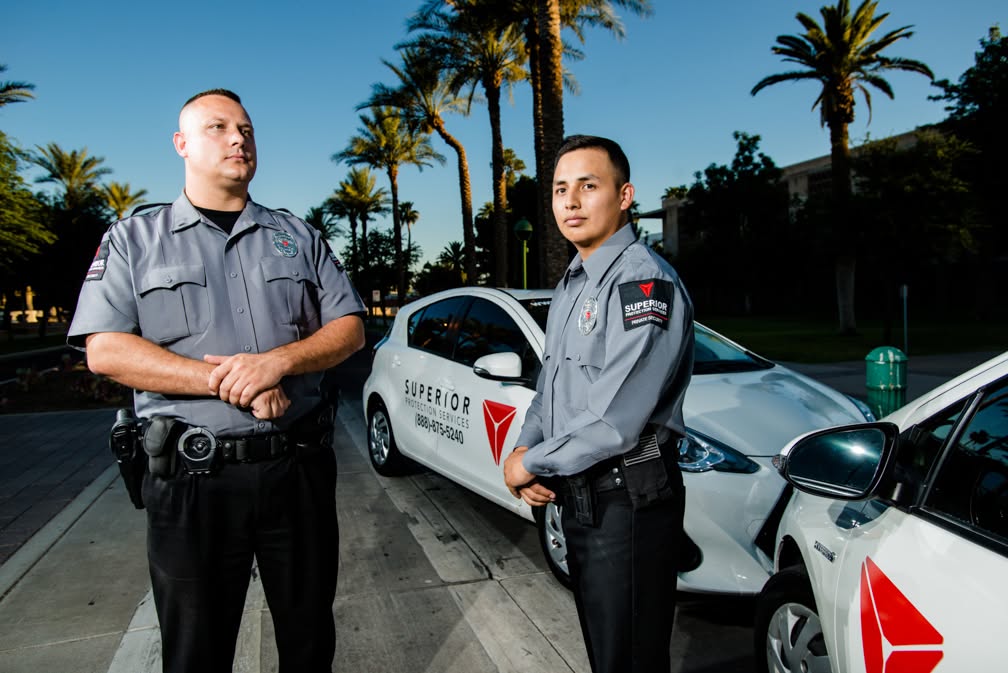
Private Patrol Operator (PPO) and security guard are not interchangeable terms in California.
A Private Patrol Operator is a licensed person or business authorized to provide private security services under California’s Private Security Services Act, while a security guard is an individual who provides security services and is registered with the California Bureau of Security and Investigative Services (BSIS).
Understanding the difference matters for businesses hiring private security because the PPO is generally the licensed security provider, while the guard is the individual assigned to perform security duties.
A Private Patrol Operator, or PPO, is a licensed business or individual that provides private security services to clients.
According to the California Bureau of Security and Investigative Services (BSIS), a PPO license is required for a person or business that contracts to provide security services to another person or business.
A PPO may provide services involving:
The PPO is responsible for operating the security business in accordance with California’s licensing requirements.
For businesses considering professional security services, our guide on when to hire commercial security guards provides additional information about situations where contracted security may be appropriate.
A security guard is an individual who provides security services to protect people or property or prevent theft.
In California, security guards working for licensed Private Patrol Operators must have BSIS security guard registration. BSIS states that security guards must be at least 18, undergo a criminal history background check, and complete required training, including Power to Arrest training.
Security guards may perform duties such as:
The specific responsibilities depend on the assignment and the client’s security plan.
Our article on the main duties and responsibilities of an unarmed security guard provides a closer look at the individual guard’s role.
The simplest way to understand the distinction is:
PPO = the licensed private security provider.
Security guard = the individual performing security duties.
A business may contract with a PPO for security services, and the PPO can assign registered security guards to the client’s property.
| Private Patrol Operator | Security Guard |
|---|---|
| Licensed security provider | Individual security professional |
| Contracts to provide private security services | Performs assigned security duties |
| Operates a security business | Works as part of the security operation |
| Regulated by BSIS | Registered with BSIS |
| Responsible for meeting PPO licensing requirements | Must meet security guard registration requirements |
| May employ security guards | May be assigned to client properties |
| Provides security services to clients | Provides on-site or patrol security |
BSIS specifically distinguishes the PPO license from security guard registration.
The PPO operates the security service behind the assignment.
Depending on the contract and type of security program, the PPO may be responsible for:
The security company can recruit qualified personnel and assign guards to client properties based on the requirements of the assignment.
The PPO may coordinate schedules, replacements, supervisors, patrols, and other operational requirements.
This becomes particularly important when a client requires continuous coverage.
Our article on the importance of 24/7 responsive security guard management discusses the operational side of maintaining security coverage.
The security provider may work with the client to establish post orders, patrol procedures, access-control requirements, reporting procedures, and other assignment-specific instructions.
A PPO may also provide supervision and oversight to ensure guards are following the requirements of the assignment.
The security company typically serves as the primary point of contact for scheduling, operational concerns, incidents, staffing, and adjustments to the security program.
The security guard works directly at the property or performs assigned patrol duties.
Depending on the assignment, a guard may:
For example, a warehouse guard may monitor employees and visitors, observe loading areas, patrol the property, and report suspicious activity.
A shopping center guard may monitor entrances, parking areas, common areas, and other locations identified in the property’s security plan.
A security guard who works for a PPO generally works as an employee of that licensed security provider.
BSIS states that security guards are employed by licensed Private Patrol Operators or private security employers.
A security guard generally cannot simply contract their individual security services directly to businesses as an independent security provider without the appropriate licensing.
BSIS materials explain that a guard may not contract out their services individually and must be employed by a PPO or otherwise hold the appropriate PPO license.
This distinction is important for businesses looking to hire security services.
California has specific requirements for obtaining a Private Patrol Operator license.
BSIS states that general PPO licensing requirements include:
The PPO also has insurance requirements. BSIS states that a PPO must maintain general liability insurance with at least $1 million in coverage per occurrence for licensure and continued maintenance of the license.
Because California licensing requirements can change, businesses and applicants should verify current requirements directly with BSIS.
Security guard registration has different requirements.
According to BSIS, an individual applying for security guard registration must:
BSIS currently states that security guards must complete 8 hours of continuing training annually.
The requirements for an individual guard are therefore different from the licensing requirements for a PPO.
There is another distinction that businesses should understand: contract security versus proprietary security.
A PPO provides security services to clients under a contract.
A proprietary private security employer, by contrast, employs security personnel to provide security services exclusively for that employer and cannot subcontract those security services to another business.
A Proprietary Private Security Officer (PSO) is also different from a security guard working for a PPO. BSIS describes a PSO generally as an unarmed security officer employed exclusively by a single employer whose services are not contracted to another entity.
This distinction can matter when a business is deciding between hiring its own security personnel and contracting with a security company.
If your business is looking for contracted security, it is important to understand who you are actually hiring.
A legitimate security program should clearly identify:
Businesses should also understand exactly what services are included in the agreement.
Our article on how to choose a security guard company can serve as a future supporting resource for businesses evaluating providers.
A PPO manages the security operation and the personnel assigned under its security program.
The exact responsibilities depend on the employment relationship, contract, assignment, and applicable California law.
For clients, this means the relationship generally extends beyond simply hiring an individual guard. The business is contracting for a security service that includes personnel, management, scheduling, procedures, and oversight.
That operational structure can be particularly important for properties requiring continuous coverage.
Yes. California PPOs may employ armed or unarmed security guards, subject to applicable BSIS requirements.
An armed guard has additional requirements related to firearms authorization and training. BSIS states that a security guard carrying a firearm on duty must have the appropriate BSIS firearms permit and comply with applicable restrictions.
Businesses should therefore distinguish between simply requesting an “armed guard” and ensuring that the assigned personnel have the required California credentials and permits.
For a general comparison of guard types, see Armed vs. Unarmed Guards: What’s the Difference and When Do You Need Each?.
For a business seeking contract security services, the business generally contracts with the licensed security provider rather than hiring an individual guard directly.
The PPO manages the service, while registered security guards perform the assigned security duties.
For example:
Business → Private Patrol Operator → Security Guard
The business establishes its security requirements with the provider. The PPO manages the security operation and assigns qualified personnel to the property.
The exact structure can vary depending on the type of security arrangement.
Is a Private Patrol Operator the same as a security guard?
No. A PPO is a licensed private security provider, while a security guard is an individual who performs security duties.
Can a security guard own a security company?
A person who operates a business that contracts private security services in California generally needs the appropriate PPO license and must meet BSIS requirements.
Can a security guard work independently?
A security guard generally cannot simply contract their individual services directly to clients as an independent security provider without the appropriate licensing. California regulates the provision of contracted private security services through the PPO licensing framework.
Does a PPO employ security guards?
A PPO can employ security guards to provide contracted private security services. BSIS identifies security guards as individuals employed by licensed PPOs or private security employers.
Is a PPO license required in California?
A person or business engaging in the business of a Private Patrol Operator in California generally must obtain a PPO license from BSIS unless an applicable exemption applies.
What is the difference between a PPO and a proprietary security employer?
A PPO contracts security services to clients. A proprietary private security employer employs security personnel to provide security services exclusively for that employer and cannot subcontract those services to another business.
The difference between a Private Patrol Operator and a security guard is primarily a difference in role and licensing.
The PPO is the licensed security provider responsible for operating the contracted security business. The security guard is the individual who performs the security duties assigned to the property.
For businesses considering private security, understanding this distinction can make it easier to evaluate providers, understand contracts, and verify that the security operation is structured appropriately under California requirements.
California security licensing rules can change, so businesses should verify current requirements directly with the California Bureau of Security and Investigative Services (BSIS) before making licensing or compliance decisions.