
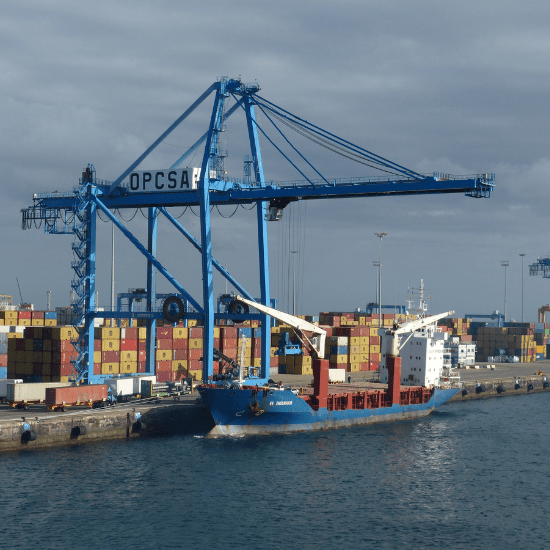
Ports and maritime facilities are essential to global trade, handling millions of tons of cargo and welcoming countless vessels each year. Because these facilities are considered critical infrastructure, maintaining a high level of security is essential. Port Facility Security Officers (PFSOs) play a key role in protecting port operations, personnel, cargo, vessels, and infrastructure from theft, unauthorized access, terrorism, smuggling, and other security threats.
Their responsibilities go far beyond monitoring gates. Port Facility Security Officers develop security procedures, oversee compliance with maritime regulations, coordinate emergency responses, and work with government agencies to maintain a secure operating environment. Here’s a detailed look at what Port Facility Security Officers do and why their responsibilities are vital to port security.
A Port Facility Security Officer (PFSO) is a trained security professional responsible for implementing and managing the security program for a port or maritime facility. The PFSO ensures compliance with national and international maritime security regulations, including the International Ship and Port Facility Security (ISPS) Code. Their responsibilities include conducting security assessments, controlling access, supervising security operations, coordinating with government agencies, and responding to security incidents that may threaten port operations.
Port Facility Security Officers oversee a wide range of responsibilities designed to safeguard people, cargo, vessels, and critical infrastructure.
One of the primary responsibilities of a Port Facility Security Officer is implementing and maintaining the Port Facility Security Plan (PFSP). This plan outlines the security procedures, access control measures, emergency response protocols, and operational guidelines needed to protect the port from potential threats. The officer regularly reviews and updates the plan to address changing risks and regulatory requirements.
Port Facility Security Officers perform regular security assessments to identify vulnerabilities throughout the facility. They evaluate access points, perimeter fencing, surveillance systems, cargo handling areas, and operational procedures to identify potential security risks. Based on their findings, they recommend improvements that strengthen overall port security.
Managing access to secure areas is a critical responsibility. Port Facility Security Officers oversee identification checks for employees, contractors, visitors, truck drivers, and vessel crews entering restricted locations. They ensure only authorized individuals gain access to sensitive operational areas, cargo terminals, docks, and vessel berths.
Modern ports rely on advanced technology to maintain security. Port Facility Security Officers monitor CCTV cameras, intrusion detection systems, alarm systems, electronic access controls, and perimeter monitoring equipment. Continuous surveillance helps detect suspicious activity and enables rapid response to potential security threats.
Port Facility Security Officers communicate with ship security officers and port authorities to coordinate vessel arrivals, departures, and security procedures. They ensure vessels comply with applicable security requirements before docking and verify that appropriate security measures remain in place while ships are in port.
Routine patrols are essential for maintaining a secure port environment. Port Facility Security Officers inspect cargo terminals, docks, warehouses, container yards, parking areas, perimeter fences, and other critical locations. Their visible presence helps deter theft, vandalism, trespassing, and unauthorized activities.
When security incidents occur, Port Facility Security Officers take immediate action to secure the area and protect personnel. They respond to unauthorized access, suspicious packages, cargo theft, hazardous material incidents, fires, medical emergencies, and other security threats while coordinating with emergency responders and law enforcement agencies.
Port Facility Security Officers ensure the facility complies with applicable maritime security laws and regulations, including the ISPS Code and other national port security requirements. They maintain required documentation, conduct internal audits, and prepare the facility for inspections by regulatory authorities.
Security preparedness depends on well-trained personnel. Port Facility Security Officers organize security awareness training, emergency response exercises, evacuation drills, and tabletop simulations for employees and contractors. Regular training ensures staff understand their responsibilities during security incidents.
When security breaches or suspicious activities occur, Port Facility Security Officers conduct investigations by reviewing surveillance footage, interviewing witnesses, collecting evidence, and documenting findings. Their reports help improve future security procedures while supporting law enforcement investigations when necessary.
Port security requires close collaboration with multiple agencies. Port Facility Security Officers work alongside port authorities, local law enforcement, customs officials, coast guard personnel, emergency management agencies, and other regulatory organizations to maintain a secure and compliant operating environment.
Accurate documentation is a key responsibility of every Port Facility Security Officer. They maintain security logs, visitor records, incident reports, inspection reports, training records, and regulatory compliance documents. These records support audits, investigations, and ongoing improvements to the facility’s security program.
Port Facility Security Officers are responsible for protecting one of the most important components of global commerce. Their proactive security measures help prevent theft, smuggling, unauthorized access, terrorism, and operational disruptions that could affect international supply chains. By ensuring compliance with maritime security regulations and responding effectively to emergencies, they help keep ports operating safely and efficiently while protecting employees, cargo, vessels, and critical infrastructure.
At Superior Protection Services,we provide experienced Port Facility Security Officers trained to protect ports, cargo terminals, shipping facilities, logistics centers, and maritime operations. Our officers are skilled in access control, surveillance monitoring, emergency response, cargo protection, regulatory compliance, and incident management. We deliver professional security solutions designed to meet the unique needs of the maritime industry.
Serving: Riverside County, Los Angeles County, Phoenix, San Bernardino County, Orange County, Tucson and surrounding areas.
What does a Port Facility Security Officer do?
A Port Facility Security Officer manages the security of a port or maritime facility by overseeing access control, conducting risk assessments, implementing security plans, responding to emergencies, and ensuring compliance with maritime security regulations.
What is the ISPS Code?
The International Ship and Port Facility Security (ISPS) Code is an international maritime security framework that establishes security requirements for ships and port facilities to help prevent terrorism, smuggling, and other security threats.
Do Port Facility Security Officers work with government agencies?
Yes. They regularly coordinate with port authorities, customs officials, coast guard personnel, law enforcement agencies, and emergency responders to maintain security and regulatory compliance.
What types of facilities require Port Facility Security Officers?
Port Facility Security Officers work at commercial ports, cargo terminals, shipping facilities, container yards, cruise terminals, logistics centers, and other maritime operations handling vessels or cargo.
How much does it cost to hire Port Facility Security Officers in California?
The cost depends on the size of the facility, number of officers required, level of security needed, regulatory requirements, and whether armed or unarmed services are requested. Contact Superior Protection Services today for a customized security quote.