
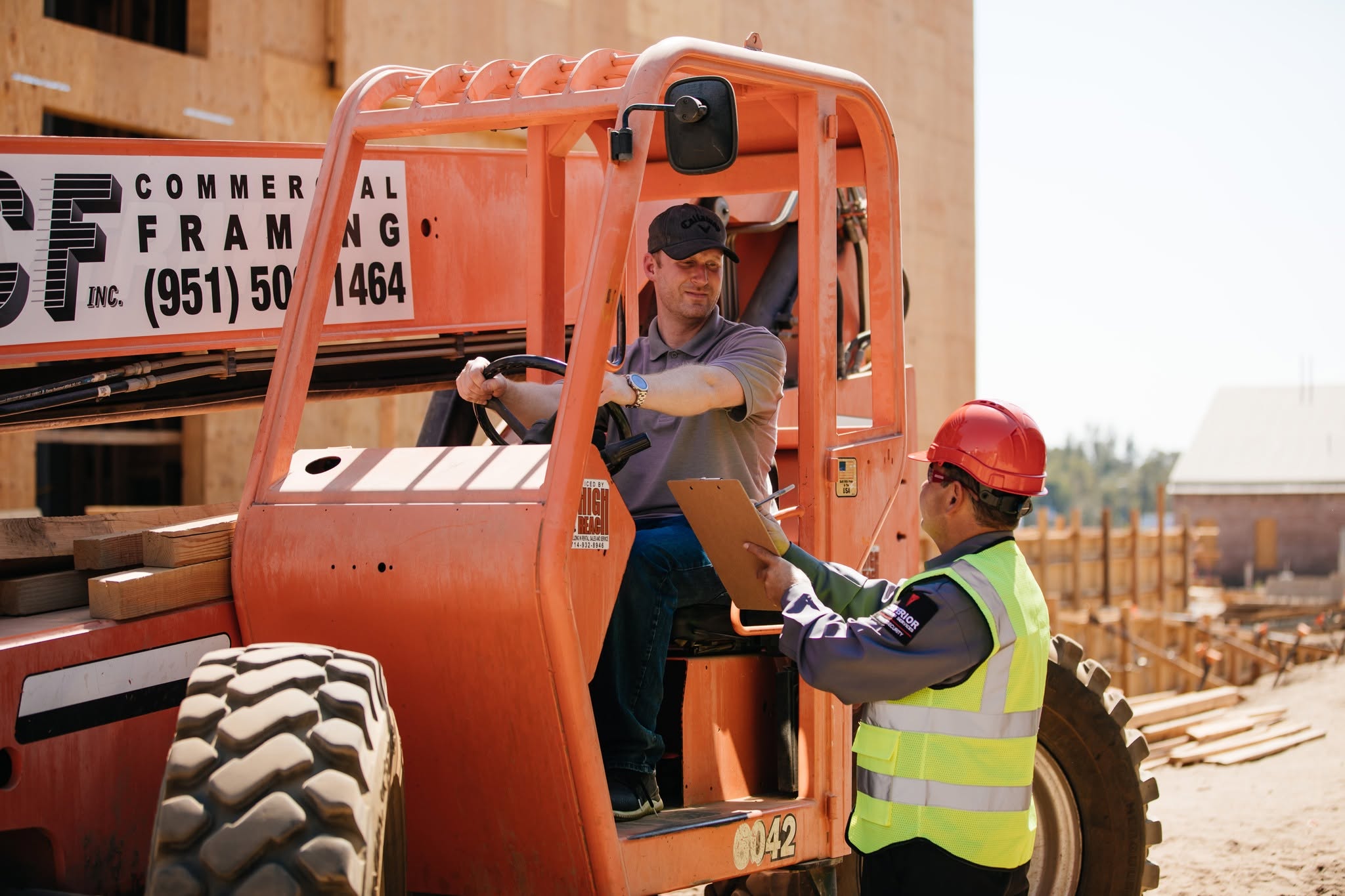
Warehouse theft can affect inventory, equipment, cargo, and business operations. For facilities handling valuable products or large volumes of goods, even small gaps in security can create opportunities for unauthorized activity.
Security guards can play an important role in a warehouse theft-prevention strategy by providing a visible security presence, monitoring access points, observing activity, conducting patrols, and responding to suspicious situations.
At Superior Protection Services, we view security guards as one part of a broader warehouse security program. Effective theft prevention begins with understanding how people, vehicles, inventory, and deliveries move through the facility and then placing security measures where they can have the greatest impact.
Unauthorized access is one of the first opportunities that can lead to theft.
Warehouses may have employee entrances, visitor entrances, loading docks, vehicle gates, and other access points. Security guards can monitor these areas and help verify that individuals entering the property are authorized.
Depending on the facility’s procedures, guards may:
This creates an additional layer of accountability around warehouse entry.
Businesses can learn more about this function in our guide to what access control security guards do.
A visible security officer can make it more difficult for unauthorized activity to occur unnoticed.
Instead of relying exclusively on cameras or alarms, a security guard provides a physical presence at the property.
This can be particularly useful around:
The objective is not to assume that every person is a potential threat. It is to establish a controlled and monitored environment where unusual activity can receive attention.
Our article on How Warehouse Security Guards Protect CA Warehouses provides a broader look at warehouse security operations.
Loading docks can be particularly important from a theft-prevention perspective because products and vehicles are constantly moving.
Security guards can monitor activity around loading areas and report situations that do not appear consistent with normal warehouse procedures.
Depending on the client’s security plan, this may include observing:
Security officers can also maintain logs or reports that help management understand what occurred during a particular shift.
Warehouses often have significant vehicle activity involving trucks, trailers, delivery vans, and employee vehicles.
Security guards can help monitor vehicle entrances and exits and observe activity around trailers and storage yards.
This can be especially important for facilities where valuable goods remain in trailers or outdoor areas.
For businesses dealing with cargo, our article on How Security Guards Protect High-Value Shipments would be a natural future supporting topic to develop alongside this content.
Patrols allow security personnel to inspect areas that may not receive continuous attention from a stationary guard.
Depending on the property’s size and security plan, patrols may cover:
Regular patrols can help identify suspicious activity, damaged fencing, unsecured doors, unusual vehicles, or other conditions that require attention.
For large properties, Mobile Patrol vs. Stationary Security explains how different patrol approaches can be used depending on the property.
Not every area of a warehouse needs to be accessible to everyone.
High-value inventory, sensitive materials, equipment, and other assets may be stored in restricted areas.
Security guards can help monitor access to these locations and report individuals who attempt to enter without authorization.
This can add another layer of protection to the warehouse’s existing access-control procedures.
Warehouse theft does not always begin with an obvious attempt to steal something.
Suspicious activity may involve:
Security guards are positioned to observe these situations and report them according to the property’s established procedures.
Early identification can give warehouse management an opportunity to investigate before a situation develops into a larger incident.
Security guards can support a warehouse’s broader loss-prevention program.
Loss prevention may involve multiple departments and procedures, including inventory controls, employee policies, access management, surveillance, and security personnel.
Security guards can contribute through observation, reporting, access monitoring, and documentation.
Our article Loss Prevention 101: Using a Security Guard Program explains how security personnel can fit into a broader loss-prevention strategy.
The risk environment can change when normal warehouse operations slow down.
During evenings, overnight hours, weekends, and holidays, fewer employees may be present. That can make security visibility particularly important.
Depending on the facility, security coverage may include:
The appropriate coverage depends on the warehouse’s operations and security requirements.
Security guards can also provide an immediate on-site response when an incident is discovered.
For example, if a guard observes unauthorized activity, a damaged gate, an attempted break-in, or suspicious behavior, the guard can follow the property’s established response procedures.
This may include notifying supervisors or management, contacting emergency services when appropriate, securing an area, and documenting what occurred.
The specific response should always follow applicable law, company procedures, and the client’s security plan.
Security reporting is an important part of theft prevention because it creates a record of what security personnel observed during their shifts.
Reports may document:
These records can help warehouse management identify recurring problems and determine whether security procedures need to change.
Our article on Why Security Guard Reporting Matters would be a useful future internal-link opportunity as this topic develops further.
Security guards do not necessarily have to replace surveillance technology.
In many warehouse environments, personnel and technology can work together.
Cameras can provide visual coverage, while security officers can provide physical presence, observation, reporting, and response.
For a detailed comparison, see Security Guards vs. Surveillance Systems.
The combination can be particularly useful when a warehouse has large areas that are difficult to monitor using only one security method.
There is no single security measure that works for every warehouse.
An effective program should account for the facility’s:
Security guards should have clearly defined responsibilities and understand the property’s procedures.
For example, a warehouse may need an officer at the primary entrance during operating hours but use mobile patrols to monitor the yard and perimeter after hours.
A warehouse may consider professional security services when it has experienced recurring theft, unauthorized access, cargo concerns, trespassing, vandalism, or difficulty monitoring a large property.
Additional security may also be worth evaluating when a facility:
A security risk assessment can help identify which areas require the most attention before deciding on a specific security program.
Warehouse theft prevention works best when physical security, technology, procedures, and personnel support one another.
Security guards can help by monitoring access, observing activity, patrolling vulnerable areas, protecting restricted locations, documenting incidents, and responding according to established procedures.
At Superior Protection Services, we focus on understanding how each warehouse operates before recommending a security approach. A facility handling high-value inventory may have very different needs from a distribution center with extensive vehicle traffic or an industrial warehouse with a large outdoor yard.
The goal is to place the appropriate level of security attention where it can address the property’s specific vulnerabilities.
Can security guards prevent warehouse theft?
Security guards cannot guarantee that theft will never occur, but they can provide visible deterrence, monitor access, identify suspicious activity, patrol vulnerable areas, and support established loss-prevention procedures.
Where should security guards be stationed in a warehouse?
Depending on the facility, guards may be positioned at entrances, gates, loading docks, employee entrances, or other areas identified as security priorities.
Can security guards monitor warehouse loading docks?
Yes. Loading dock monitoring can be part of a warehouse security program and may include observing vehicle activity, access, deliveries, and restricted areas.
Are security guards useful for overnight warehouse security?
They can be, particularly for facilities with valuable inventory, large yards, multiple access points, limited nighttime staffing, or previous after-hours security incidents.
Can warehouse security guards work with surveillance cameras?
Yes. Security personnel and surveillance systems can complement each other by combining technological monitoring with a physical security presence.
Do all warehouses need the same number of security guards?
No. Staffing requirements depend on factors such as property size, operating hours, access points, inventory, vehicle traffic, risk areas, and the desired level of security coverage.
Warehouse theft prevention requires more than simply watching the front entrance.
Security guards can help protect a facility by controlling access, monitoring loading areas, patrolling vulnerable locations, observing vehicle activity, supporting loss prevention, documenting incidents, and responding to suspicious situations.
When these responsibilities are built around the warehouse’s actual operations, security personnel can become an important part of a comprehensive theft-prevention strategy.
At Superior Protection Services, we work with businesses to understand their properties and develop security programs designed around their specific needs.