
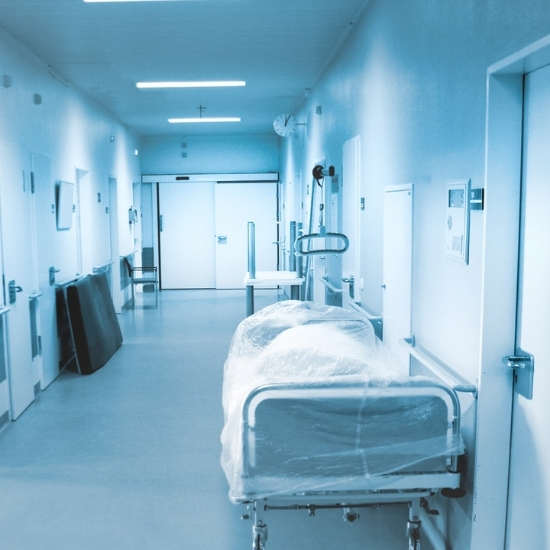
Hospitals operate 24 hours a day, serving patients, visitors, medical staff, and emergency responders in a fast-paced environment. Maintaining safety within a healthcare facility requires trained professionals who can handle everything from access control to emergency response. Hospital Security Officers play a vital role in protecting people, property, and sensitive medical information while helping ensure hospitals continue to provide uninterrupted patient care.
Their responsibilities extend far beyond monitoring entrances. Hospital Security Officers prevent security incidents, respond to emergencies, assist staff and patients, and enforce hospital safety policies. Here’s a detailed look at the duties and responsibilities of Hospital Security Officers and why they are essential to healthcare facilities.
A Hospital Security Officer is a trained security professional responsible for maintaining a safe and secure environment within hospitals, medical centers, clinics, and other healthcare facilities. They protect patients, healthcare workers, visitors, equipment, and hospital property while responding quickly to emergencies and security incidents. Hospital Security Officers work closely with hospital administration, medical staff, local law enforcement, and emergency responders to ensure the safety and well-being of everyone inside the facility.
Hospital Security Officers perform a wide range of responsibilities designed to protect patients, staff, visitors, and valuable medical assets.
One of the primary responsibilities of Hospital Security Officers is controlling access to the facility. Officers monitor entrances, verify employee identification, issue visitor passes, and restrict unauthorized individuals from entering sensitive areas such as operating rooms, pharmacies, laboratories, and patient care units. Proper access control helps protect patients while preventing theft and unauthorized activity.
Hospital Security Officers conduct regular patrols throughout the facility, including patient floors, emergency departments, parking lots, loading docks, and surrounding property. Their visible presence deters criminal activity, identifies safety hazards, and allows officers to respond quickly when suspicious activity is observed.
Healthcare facilities experience a variety of emergencies that require immediate action. Hospital Security Officers respond to fires, medical emergencies, violent incidents, bomb threats, missing persons, and natural disasters. They assist with evacuations, secure affected areas, and coordinate with emergency responders to help protect patients and staff.
Creating a safe environment is a core responsibility of Hospital Security Officers. They respond to disturbances, de-escalate conflicts, assist vulnerable patients, and provide support during emotionally charged situations. Their presence helps reduce workplace violence while ensuring everyone inside the hospital feels safe and protected.
Hospital Security Officers continuously monitor CCTV cameras, alarm systems, panic buttons, and electronic access control systems. Surveillance allows officers to detect suspicious behavior, investigate incidents, and respond quickly to security concerns before they escalate.
Unfortunately, hospitals may experience aggressive behavior involving patients, visitors, or employees. Hospital Security Officers receive training in conflict resolution and de-escalation techniques to safely manage disruptive individuals while protecting healthcare workers and patients from harm. When necessary, they coordinate with local law enforcement for additional assistance.
Hospitals contain expensive medical equipment, medications, and supplies that require protection. Security officers monitor storage rooms, loading docks, pharmacies, and restricted areas to reduce the risk of theft, vandalism, or unauthorized access. Protecting these assets helps hospitals continue providing quality patient care without disruption.
Hospital Security Officers play an important role in locating missing patients, including individuals with dementia or mental health conditions who may wander from designated areas. In facilities with maternity units, officers also assist with infant protection protocols by monitoring specialized security systems and responding immediately to alarms.
When incidents occur, Hospital Security Officers conduct preliminary investigations by interviewing witnesses, reviewing surveillance footage, documenting evidence, and preparing detailed reports. Accurate investigations help hospital administrators improve security procedures and reduce future risks.
Hospital Security Officers ensure employees, visitors, contractors, and vendors comply with hospital safety policies. They enforce visitor guidelines, smoking restrictions, parking regulations, infection control procedures, and emergency protocols while helping maintain a safe healthcare environment.
Hospital Security Officers work closely with nurses, physicians, administrators, emergency medical personnel, fire departments, and law enforcement agencies. Effective communication allows security teams to respond quickly during emergencies while supporting patient care and hospital operations.
Every security-related activity must be properly documented. Hospital Security Officers complete incident reports, patrol logs, visitor records, accident reports, and daily activity logs. These records help hospital management identify trends, strengthen security procedures, and meet regulatory requirements.
Hospital Security Officers are an essential part of every healthcare facility’s safety program. Their proactive approach helps prevent violence, theft, unauthorized access, and security breaches while supporting healthcare professionals in delivering quality patient care. They also provide reassurance to patients and visitors, creating a safer and more secure healing environment.
By maintaining order, responding to emergencies, and protecting hospital assets, Hospital Security Officers help healthcare facilities operate efficiently while minimizing disruptions to medical services.
At Superior Protection Services, we provide highly trained Hospital Security Officers who understand the unique challenges of healthcare environments. Our officers are experienced in access control, emergency response, conflict de-escalation, surveillance monitoring, incident reporting, and healthcare facility security. Whether you operate a hospital, medical center, urgent care clinic, or specialty healthcare facility, we deliver dependable security solutions tailored to your needs.
Serving: Riverside County, Los Angeles County, Phoenix, San Bernardino County, Orange County, Tucson and surrounding areas.
What does a Hospital Security Officer do?
Hospital Security Officers protect patients, staff, visitors, and hospital property by monitoring access points, conducting patrols, responding to emergencies, investigating incidents, and enforcing hospital safety policies.
Do Hospital Security Officers receive special training?
Yes. Many Hospital Security Officers receive training in healthcare security, emergency response, conflict de-escalation, workplace violence prevention, CPR, first aid, and patient interaction.
Are Hospital Security Officers armed?
Hospitals may employ either armed or unarmed security officers depending on the facility’s security needs, risk assessments, and state licensing requirements.
Do Hospital Security Officers help during medical emergencies?
Yes. While they do not provide medical treatment unless certified, they assist medical staff by securing emergency scenes, directing emergency responders, managing crowds, and helping with evacuations when necessary.
Why do hospitals need dedicated security officers?
Hospitals face unique security challenges, including workplace violence, theft, unauthorized access, missing patients, and emergency situations. Dedicated Hospital Security Officers help reduce these risks while creating a safe environment for patients, staff, and visitors.