
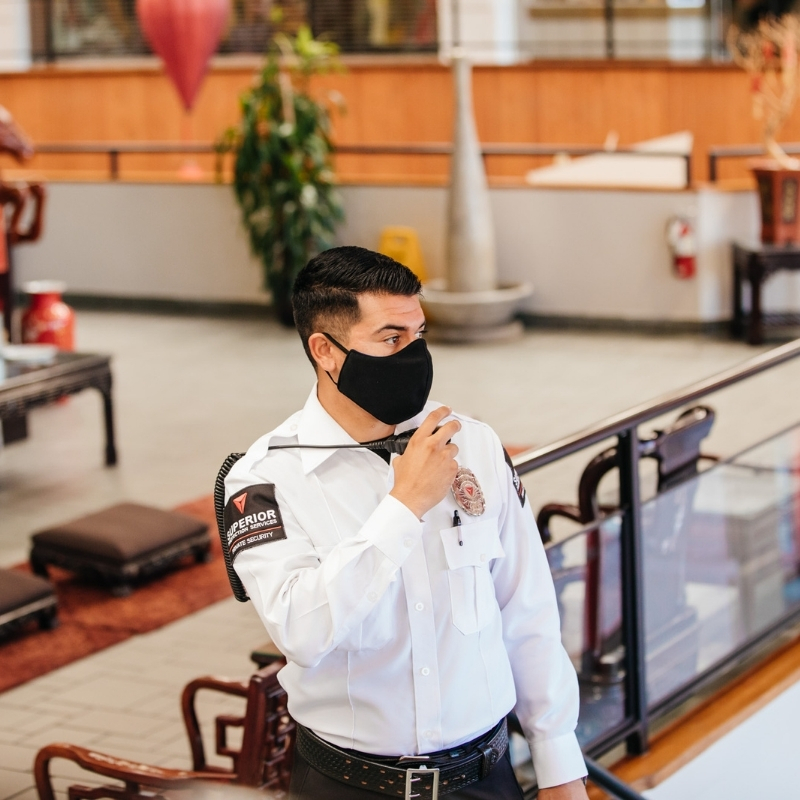
When it comes to protecting people, property, and assets, security isn’t one-size-fits-all. Businesses, venues, and organizations often face a choice between event security and corporate security. While both share the goal of safety, their focus, methods, and training differ. Understanding these differences — and where they overlap — helps you choose the right protection for your property, staff, or event.
Event security focuses on temporary or one-time situations where crowds gather. These can include:
The main priorities of event security are crowd control, access management, and emergency response. Guards monitor entrances, check credentials, guide attendees, and respond quickly to incidents such as fights, medical emergencies, or unauthorized access.
Key Features of Event Security:
Event security guards are trained to remain calm in chaotic environments, manage large groups, and coordinate with local authorities if necessary.
Corporate security focuses on protecting a business’s physical assets, employees, and intellectual property on a long-term, ongoing basis. This includes:
Corporate security guards handle access control, surveillance, emergency response, and policy enforcement. Their work is proactive, aiming to prevent theft, vandalism, or security breaches before they occur.
Key Features of Corporate Security:
Corporate guards often work closely with HR, facilities management, and IT teams to ensure integrated safety protocols.
Aspect | Event Security | Corporate Security |
Duration | Temporary (hours to days) | Long-term (24/7 or business hours) |
Focus | Crowd control and public safety | Property, employee, and asset protection |
Training | Managing large crowds, emergency response, conflict de-escalation | Access control, surveillance monitoring, policy enforcement |
Environment | Dynamic, unpredictable | Structured, predictable |
Interaction | High-volume guest contact | Limited visitor interactions, more employee-focused |
While both require vigilance, the environment, training, and responsibilities of guards differ significantly.
Despite differences, event and corporate security share several critical elements:
Because of these overlaps, many security companies offer hybrid services or can train personnel to handle both environments.
Selecting the wrong type of security can leave gaps. For instance:
Matching the guard’s training and focus to the environment ensures safety, efficiency, and compliance with local regulations.
Hiring trained, licensed security personnel — whether for events or corporate needs — provides:
A professional security team adapts to changing situations, whether it’s an unexpected crowd surge or a security breach.
In some cases, a blended approach is best. For example:
This combination ensures continuous protection, crowd management, and quick response to unexpected situations.
Event and corporate security serve distinct but complementary purposes. Event security is ideal for dynamic, high-traffic environments where crowds and unpredictability are the norm. Corporate security is essential for long-term protection of property, employees, and assets. Understanding the differences and overlaps ensures your property, employees, and guests are safe in every situation.
Investing in professional security tailored to your environment is the most reliable way to prevent incidents, protect assets, and provide peace of mind.
At Superior Protection Services, we provide trained corporate security officers who meet the unique needs of businesses. From risk assessment and executive protection to emergency response and cybersecurity collaboration, our officers are equipped to handle all aspects of corporate security.
Serving: Riverside County, Los Angeles County, Phoenix, San Bernardino County, Orange County, Tucson and surrounding areas.